Book Presentation at Belmont Elementary
Ryan Wakefield • February 13, 2025
  • Slide title

    Write your caption here
    Button
  • Slide title

    Write your caption here
    Button
  • Slide title

    Write your caption here
    Button
  • Slide title

    Write your caption here
    Button

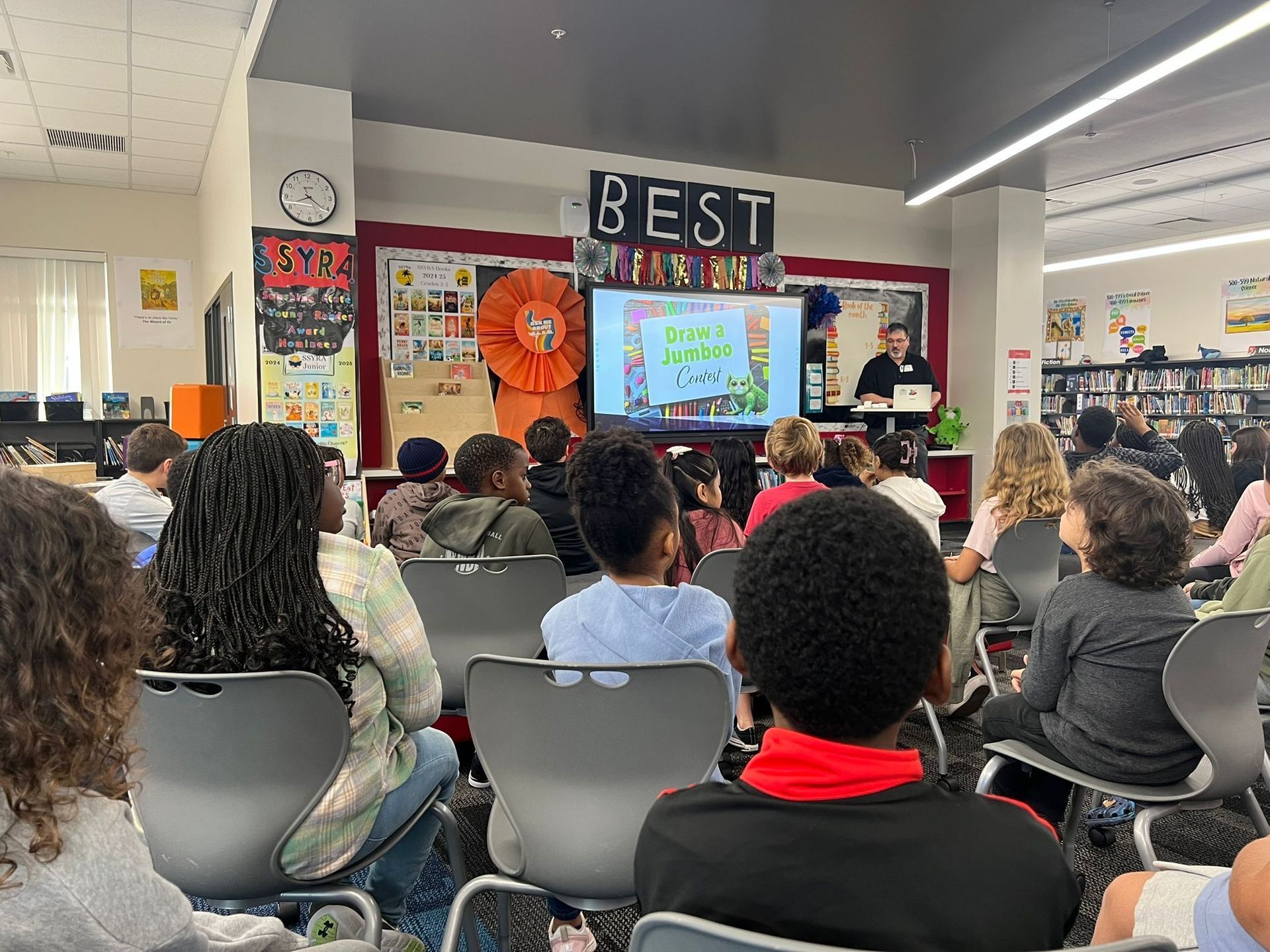
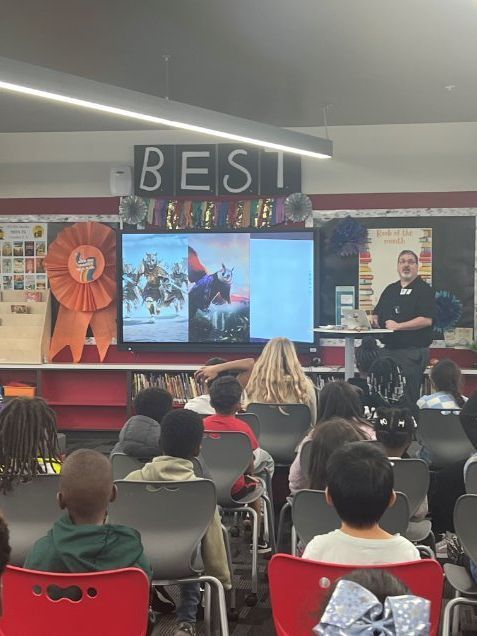
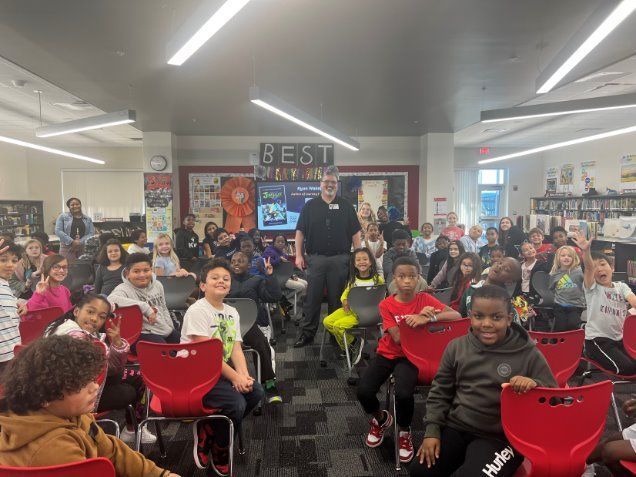
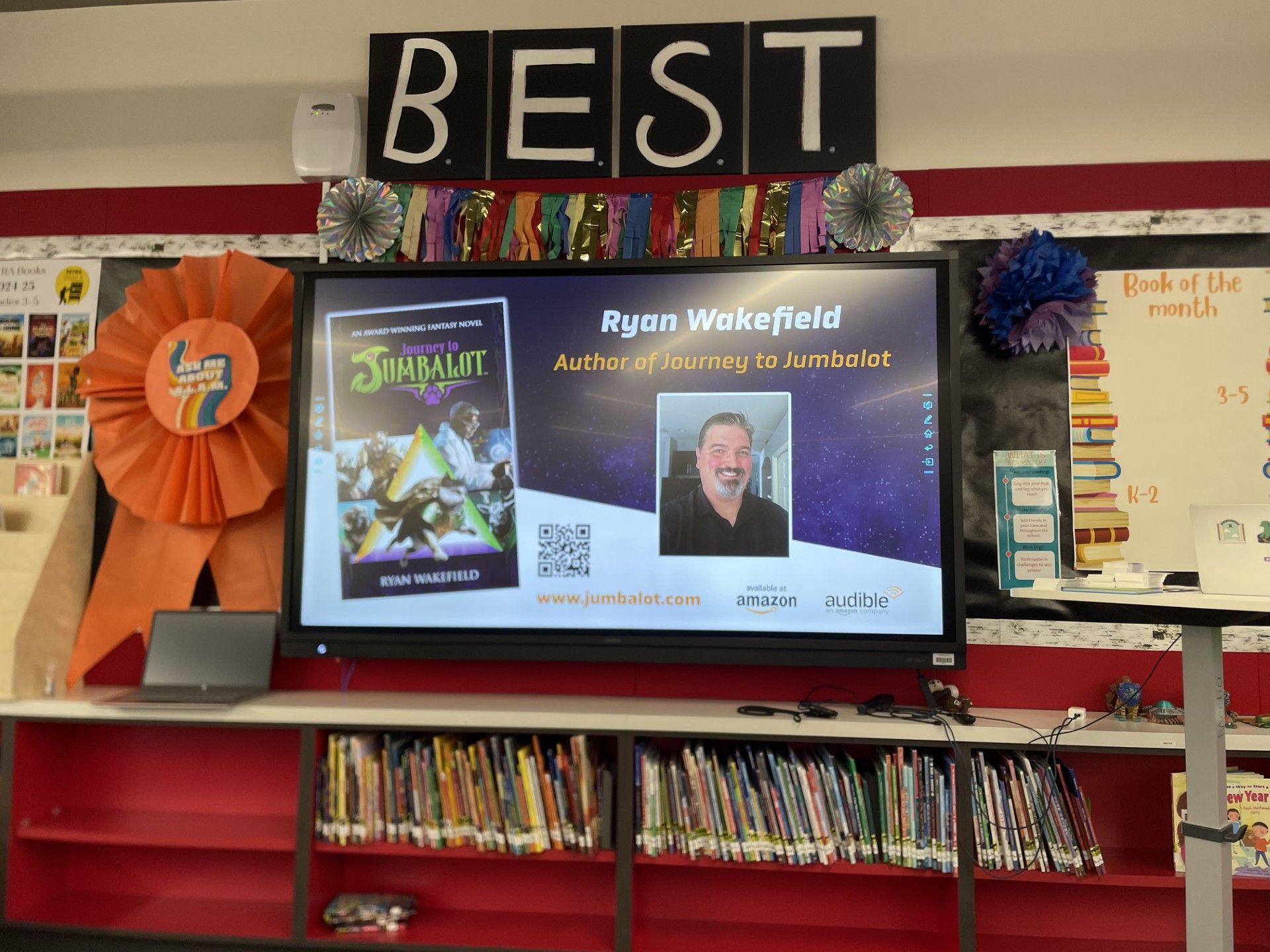
I want to extend my heartfelt thanks to Belmont Elementary for inviting me to speak about my preteen fantasy novel, Journey to Jumbalot, on January 30! It was a joy to meet so many enthusiastic elementary students who were eager to learn about my book and my writing process. We had a great time discussing how I used to draw animal hybrids with crayons and markers when I was their age, and how some of those early creations inspired characters in my novel.


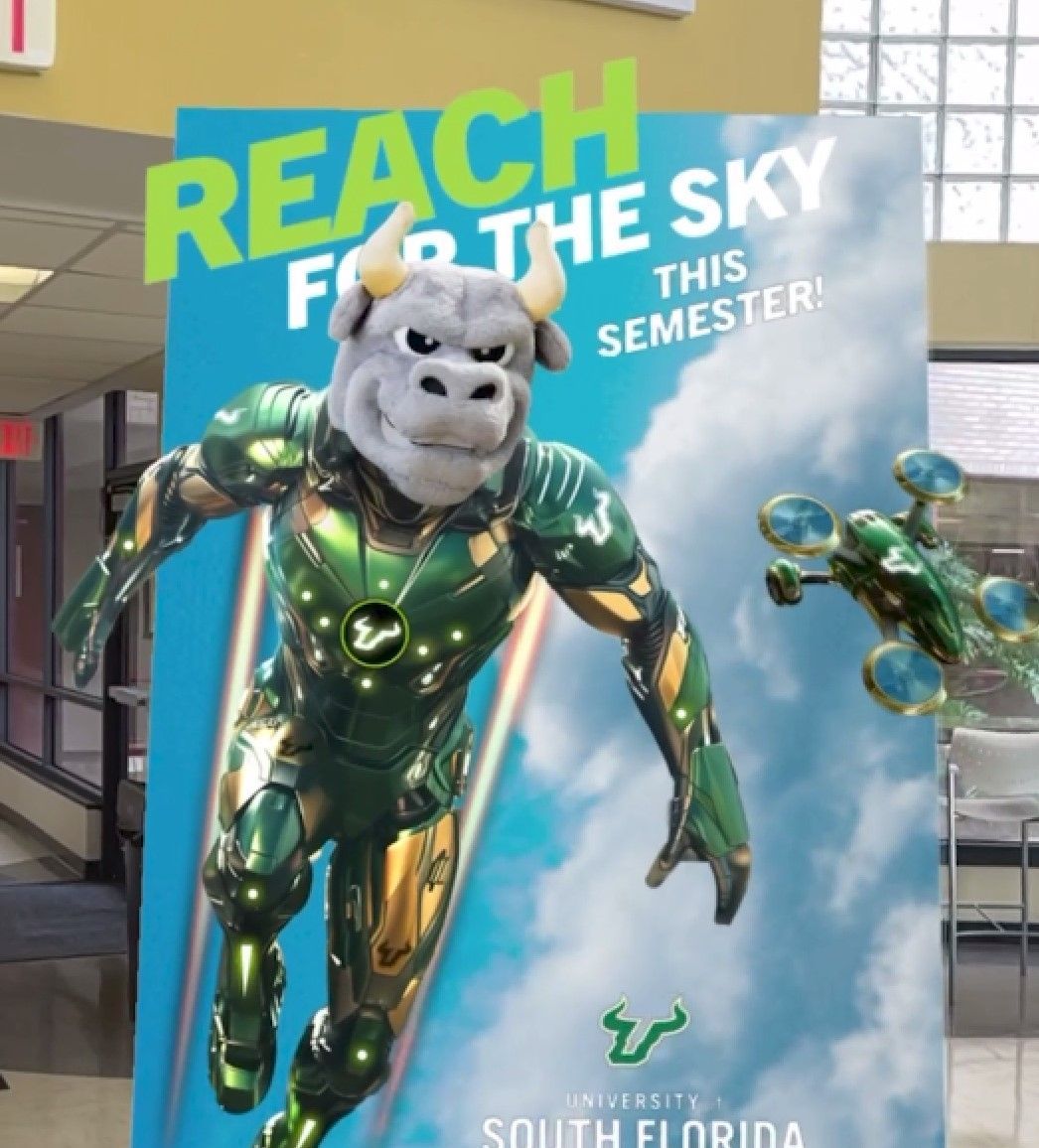
Additionally, I shared insights about my role as a multimedia designer at the USF College of Engineering. The students were particularly excited about two projects I showcased: the COE Sizzle Reel video and the Rocky mascot augmented reality Poster!


COE Sizzle Reel: https://youtu.be/SLgICHgGa3I


Rocky AR Poster: https://youtube.com/shorts/KMProROL7hQ?si=QwEkPs7rS2yoVvTE
By Ryan Wakefield • September 22, 2026
During my time at the USF College of Engineering, the Director of Communications asked me to film and edit a sizzle reel for the college. The video highlights faculty and students in action across multiple engineering labs, showcasing the momentum and creativity that drive their work. I captured most of the footage myself, cutting each scene to the rhythm of an uplifting music track to amplify the energy. Watching students build and refine robots, drones, autonomous vehicles, and even a small satellite later launched by NASA was truly inspiring. 
By Ryan Wakefield • September 5, 2026
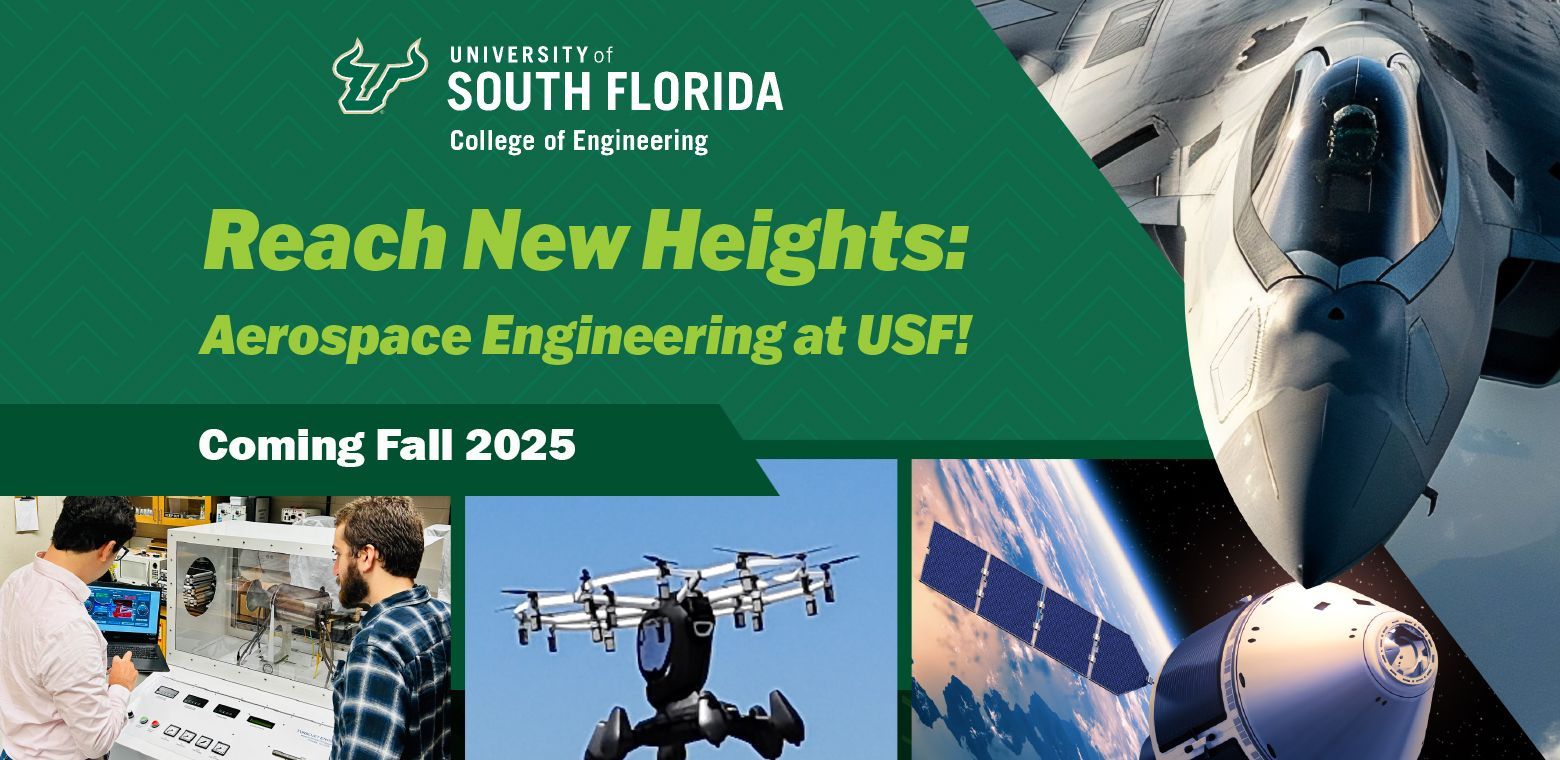
The USF Department of Mechanical Engineering approached me with an exciting project while I was employed with the college: transforming a PowerPoint presentation into a dynamic and engaging animated information video. This video is designed to showcase crucial details about the new Aerospace Engineering program. To bring this vision to life, I utilized a variety of motion graphics that are closely related to the aerospace industry. The video features sleek animations of jets soaring through the skies, drones maneuvering with precision, and satellites orbiting the Earth. These elements not only add visual appeal but also effectively illustrate the advanced technologies and concepts that students will explore in the Aerospace Engineering program. Throughout the video, viewers are presented with comprehensive information about the program's curriculum, research opportunities, and the cutting-edge facilities available to students. The animations help to highlight the innovative nature of the program and the exciting career prospects in the aerospace field. In addition to the video, I was tasked with the creation of a printed information booklet that could be handed out to prospective students and faculty.
By Ryan Wakefield • August 27, 2026
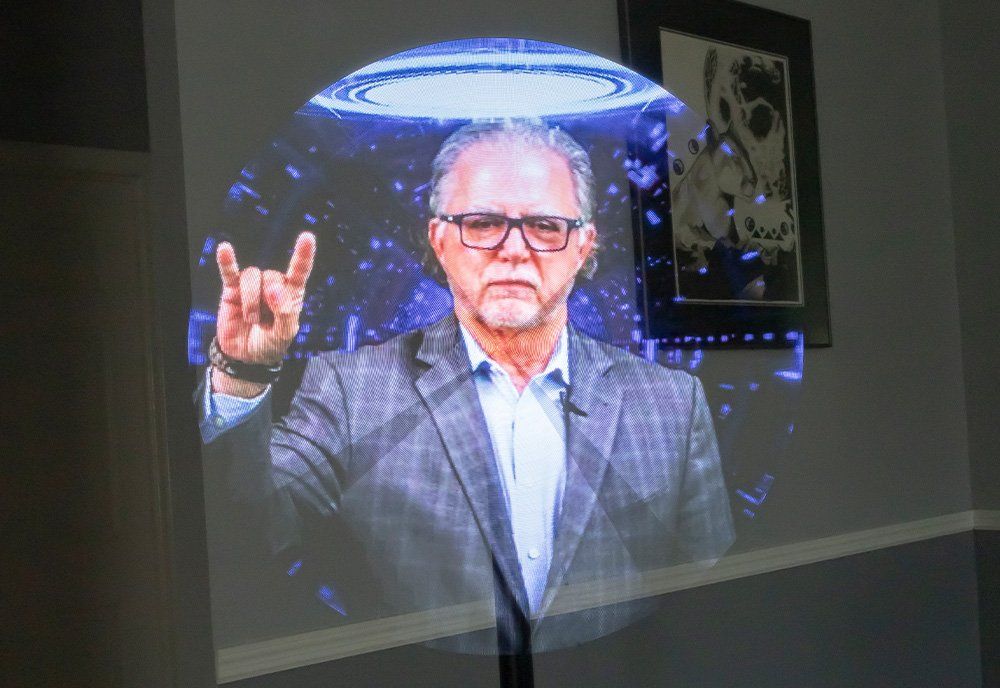
Dr. Robert H. Bishop, former dean of the USF College of Engineering, asked if I could set up a hologram for an upcoming meeting he couldn’t attend. That request led me to discover the magic of holofans—and how they create the striking illusion of a true hologram. It turned into a really fun project, and it’s not every day a graphic or multimedia designer gets to say they’ve set up a hologram display. USF Communications and Marketing even published a story about the experience: Two places at once? USF leader-turned-hologram proves it’s possible
By Ryan Wakefield • August 25, 2026
Augmented reality (AR) has proven to be incredibly entertaining. I envisioned transforming a new poster design that showcases the University of South Florida's mascot, Rocky the Bull, into a superhero akin to Iron Man. Having recently started learning an AR-related program, I decided to make the poster interactive. Now, by scanning the QR code with a smartphone, one can activate a 3D animated version of the poster complete with music and a video backdrop.
By Ryan Wakefield • August 22, 2026
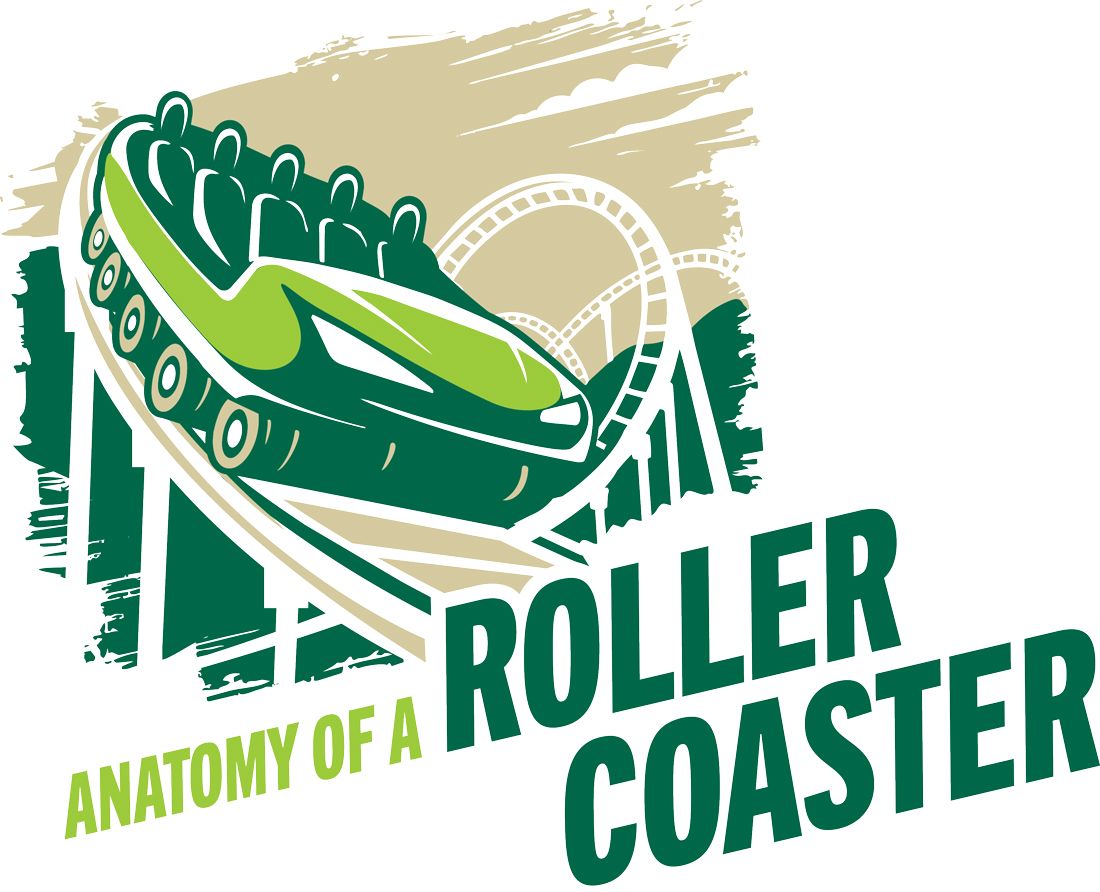
The Assistant Director of USF’s Youth Experiences (YXP) program reached out to me to develop new logo designs for three of their high school summer programs. These camps give students in Grades 9–12 hands‑on experiences in STEM, entrepreneurship, and other career‑focused pathways, helping them explore future professions, build leadership skills, and prepare for college across USF’s campuses. The three programs titled Anatomy of a Roller Coaster , USF Aerospace Engineering , and Aqua Bulls Ocean Exploration, each have distinct themes and learning outcomes. As shown in the examples below, my design process begins with researching the subject matter of each program. Once I understand what students will be studying, I move into concept sketching. This stage helps me visualize potential directions and identify the strongest symbolic elements for each logo. Because pictorial marks resonate especially well with youth audiences, each design incorporates imagery tied directly to the program’s focus, creating logos that are both engaging and immediately recognizable. You'll also notice changes from the initial sketch to the refined vector look created with Adobe Illustrator. Everything you design, including logos, will evolve into something both you and the client will like.
By Ryan Wakefield • August 17, 2026
I’ve always loved designing logos for clients, whether they’re wordmarks, lettermarks, pictorial marks, or anything in between. But the projects that excite me most are mascot‑driven logos. I’m especially drawn to the bold, energetic mascots you see in sports branding, so I decided to have some fun and create a few of my own. Below are several mascot logo concepts for fictional sports teams. Most are built within a crest or emblem, though I also enjoy exploring how a mascot looks when it breaks free from the frame.
August 12, 2026
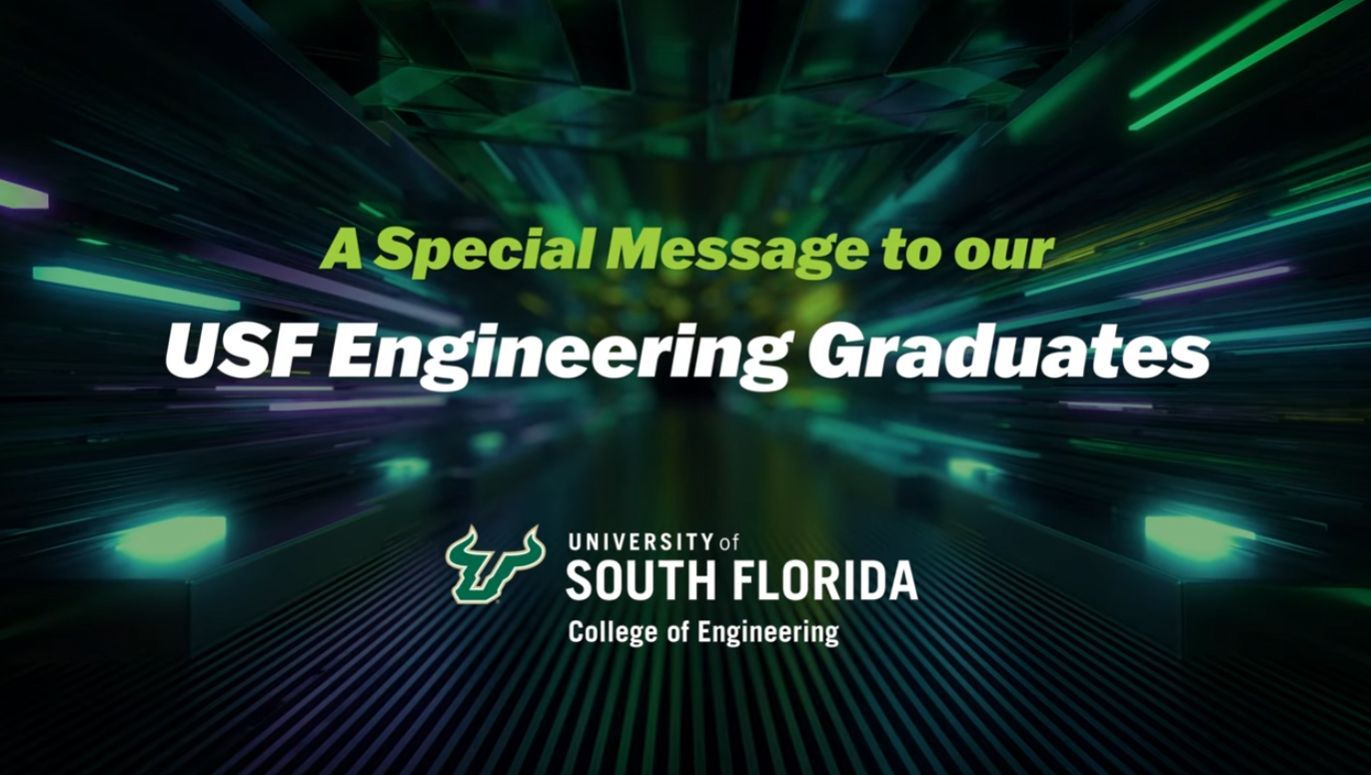
Commencement marks a meaningful rite of passage for every college student. To honor that moment, the University of South Florida asked the College of Engineering to record raw footage of the dean delivering an inspiring message to its students. I captured the video inside one of the college’s labs, where various pieces of mechanical equipment were running in the background. After submitting the footage to the university, I realized the message could have an even greater impact if enhanced with animation and music, making it ideal for sharing through email and social media.
By Ryan Wakefield • July 12, 2026
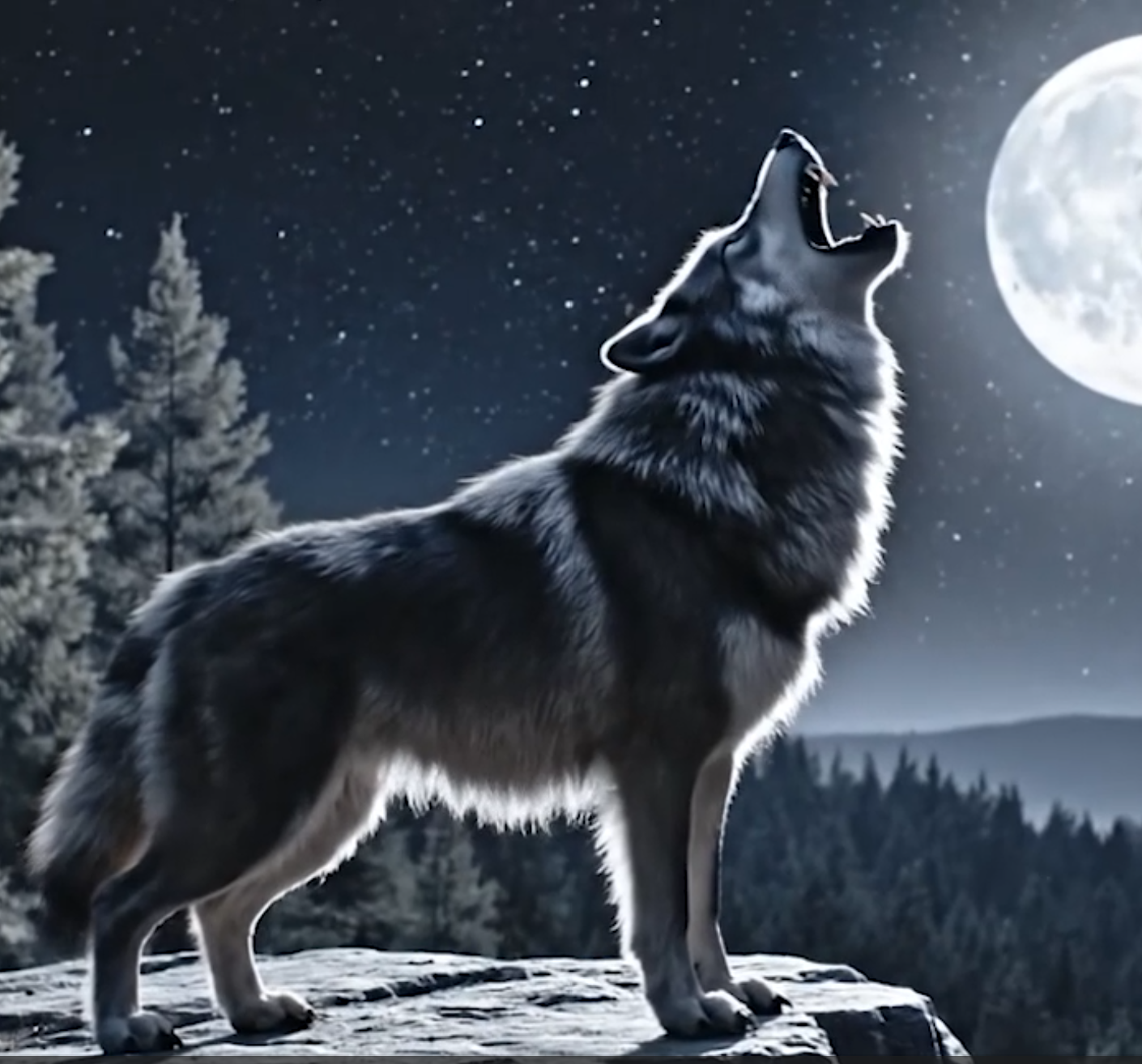
I’ve been diving into new AI courses lately, and this shapeshifting wildlife clip is one of my favorite experiments so far, created with Veo’s video generator. It’s not in 4K (that render takes ages), but even at lower resolution it still looks fantastic. It’s a great example of what you can create once you start learning how to prompt camera angles, lighting, and cinematic movement. 🐺🐾
By Ryan Wakefield • June 30, 2026
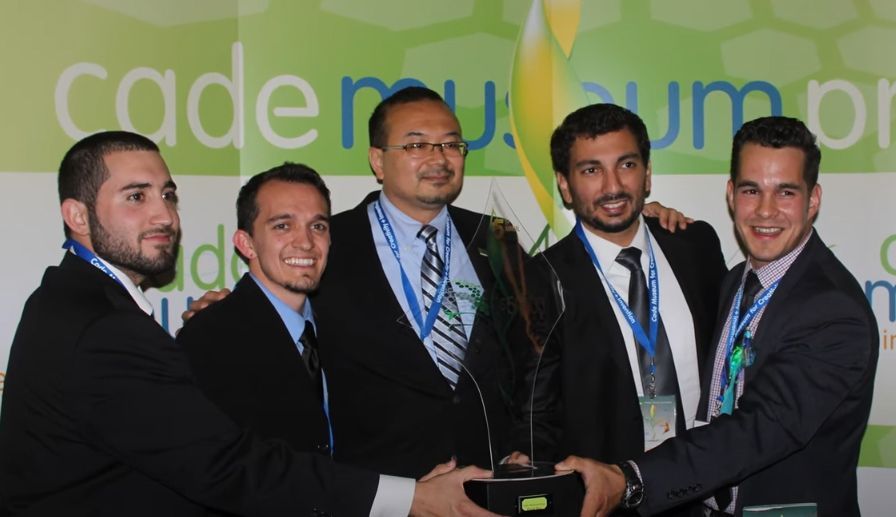
Dr. Daniel Yeh, Professor of Civil and Environmental Engineering at the University of South Florida, was in need of a videographer to record and edit a video to be played at the Florida Inventors Hall of Fame Ceremony . Dr. Yeh was inducted into the Hall of Fame for his creation of the NEWgenerator water filtration device. The NEWgenerator works by using a novel bioreactor to break down waste organic matter using microorganisms, followed by a fine-pore microscopic membrane filter that traps bacteria and viruses. Clean water that passes through is then disinfected with chlorine, similar to municipal drinking water. The recycled water can also be used for toilet flushing in the sanitation facilities and for irrigation, allowing plants to grow, even in a drought. Congratulations to Dr. Yeh for winning this prestigious award!
By Ryan Wakefield • June 15, 2026
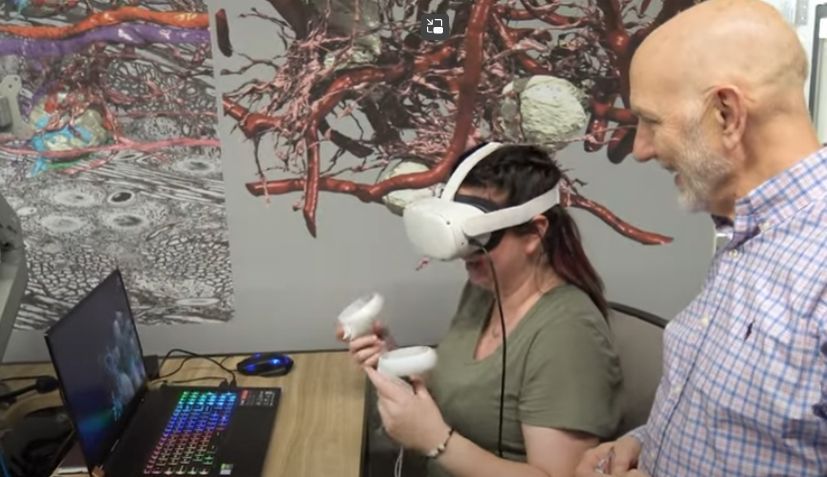
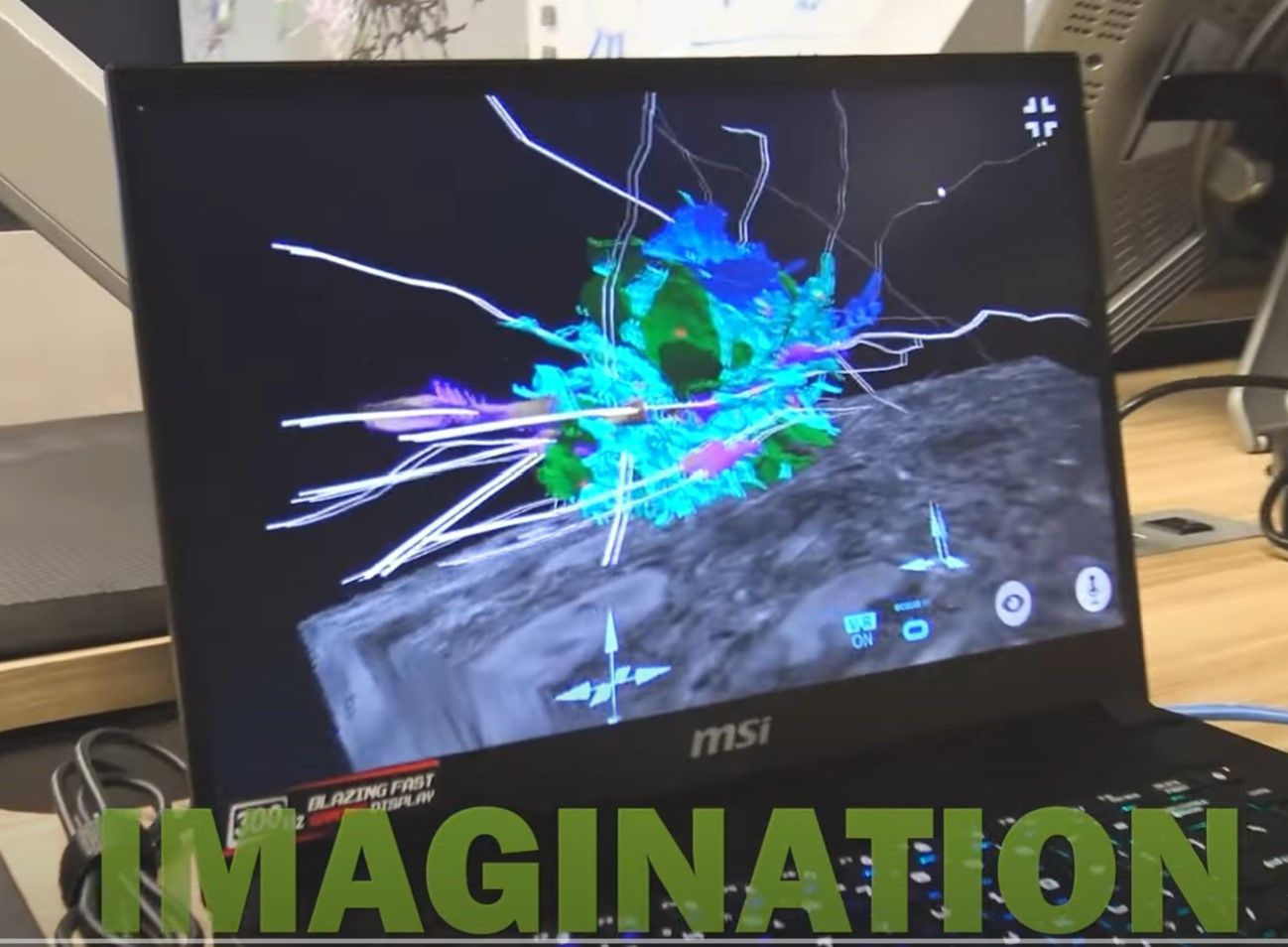
USF Professor of Medical Engineering George Spirou needed an informational video to showcase his groundbreaking research, and I was excited to help bring his vision to life. Dr. Spirou’s work leverages virtual reality to transform complex scientific datasets into immersive 3D environments that viewers can explore in real time.  Capturing students as they stepped into VR and interacted with his dynamic data models was a remarkable experience. Watching them navigate these virtual spaces made it clear just how transformative this technology can be for scientific discovery—turning abstract information into something tangible, intuitive, and visually compelling.
Show More